Gold has always fascinated us—its shiny glow, its weight, and the stories tied to it. From ancient myths to modern treasure hunts, people have dreamed of creating gold in their own kitchens or backyards. But is it possible? Let’s dive into this golden mystery, bust some myths, and explore why gold is more than just a pretty decoration.
The Cosmic Gift: Where Gold Really Comes From
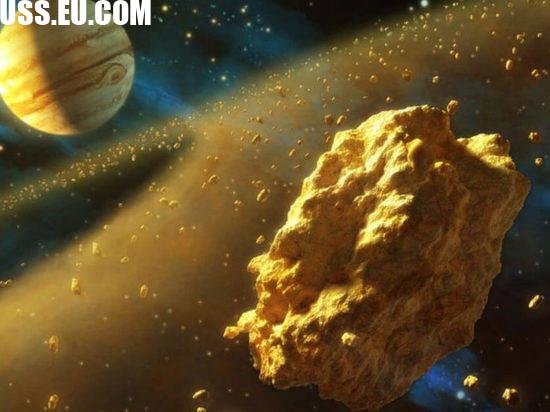
Forget the old tales of wizards turning lead into gold. Science tells us a wilder story: gold is a gift from the cosmos! Billions of years ago, massive stars exploded in supernovas or crashed into each other as neutron stars. These violent events forged gold by smashing atomic particles together under insane heat and pressure. When Earth formed, some of this cosmic gold hitched a ride on asteroids, landing in our planet’s crust. Over time, natural processes like volcanic heat and river erosion concentrated it into nuggets and veins we can find today. So, no matter how hard you stir a pot at home, you can’t recreate a star explosion or mimic those ancient geological tricks. The myth of making gold at home is just that—a myth!
Can You Make Gold at Home? Let’s Be Real
So, you’ve heard stories of alchemists claiming to turn base metals into gold. They spent centuries mixing potions, heating furnaces, and whispering secret spells. But here’s the truth: those “successes” were tricks—fancy alloys or gold plating that fooled the eye, not real gold. Modern science shows that creating gold means changing the nucleus of an atom, which needs nuclear reactions. That’s the stuff of particle accelerators and billion-dollar labs, not your garage. Even if you tried using mercury or lead (dangerous ideas from old tales), you’d only end up with poison or a mess—no gold.
At home, the closest you could get is recycling. Old electronics like phones and computers have tiny bits of gold in their circuits. You could dissolve them with strong acids (like a mix of hydrochloric and nitric acid, called aqua regia) to extract it, but this is risky—acids can burn, and you need proper safety gear. You might get a few grams from a pile of scrap, but it’s not “making” gold—it’s recovering what’s already there. The bottom line? Leave gold-making to the stars and stick to safer hobbies!
Gold Beyond Jewelry: Tech and Money Protection
Gold isn’t just for rings and necklaces. It’s a workhorse in technology too. In electronics, gold coats connectors in phones and computers because it conducts electricity perfectly and doesn’t rust. In medicine, tiny gold particles help deliver drugs or image tumors in cancer treatments. Aerospace uses it in satellites to reflect heat, keeping them safe in space. Even some luxury foods sprinkle edible gold leaf for flair!
But gold’s real superpower is protecting your money. Inflation—when prices rise and cash loses value—can wipe out savings. Gold, though, holds its worth over time. An ounce of gold centuries ago could buy a nice outfit; today, it still buys something valuable. Central banks stash gold reserves to back their currencies, shielding economies from chaos. So, while it shines on your finger, it also guards your wallet.
Gold Reserves: Top 10 Countries
Here’s a look at the top 10 countries with gold reserves, based on estimates as of 2025, with approximate values in dollars (using a price of $2,500 per ounce).
| Rank | Country | Gold Reserves (Tons) | Approximate Value (Billions USD) |
|---|---|---|---|
| 1 | United States | 8,133 | 73.2 |
| 2 | Germany | 3,352 | 30.2 |
| 3 | Italy | 2,452 | 22.1 |
| 4 | France | 2,436 | 21.9 |
| 5 | Russia | 2,333 | 21.0 |
| 6 | China | 2,191 | 19.7 |
| 7 | Switzerland | 1,040 | 9.4 |
| 8 | Japan | 846 | 7.6 |
| 9 | India | 803 | 7.2 |
| 10 | Netherlands | 612 | 5.5 |
These numbers show how nations rely on gold as a safety net, with the U.S. leading the pack.
Why Do We Need Gold?
Gold isn’t just a shiny relic—it’s a lifeline. It connects us to the universe’s wild past and powers our future with tech. More importantly, it’s a shield against economic storms, keeping value when paper money falters. Whether you’re a collector, investor, or just love its sparkle, gold reminds us of nature’s wonders and human ingenuity. So, while you can’t cook it up at home, appreciating its cosmic journey and practical magic is worth its weight in… well, gold!
What is a Gold Rush?
A gold rush is a sudden and massive influx of people to a newly discovered gold mining area, driven by the hope of striking it rich. It typically starts when gold—sometimes along with other precious metals or minerals—is found in a remote or undeveloped region, sparking a frenzy of miners, adventurers, merchants, and settlers rushing in to claim their share. These events are often chaotic, leading to the rapid growth of makeshift towns, economic booms, and social upheaval, including increased crime, environmental damage, and exploitation of workers. Historically, gold rushes have shaped entire regions, influencing migration patterns, economies, and even national borders.
Famous examples include the California Gold Rush (1848–1855), which began when James W. Marshall discovered gold at Sutter’s Mill, drawing hundreds of thousands of people from around the world and transforming San Francisco from a small village into a bustling city. Another is the Klondike Gold Rush in Alaska and Canada’s Yukon Territory (1896–1899), where news of gold strikes near Dawson City lured over 100,000 prospectors, many enduring harsh Arctic conditions for a chance at fortune. Other notable ones occurred in Australia (1850s), Brazil (1700s), and South Africa (1880s), each leaving lasting impacts like population shifts and infrastructure development.
Why Did It Occur?
Gold rushes happened primarily because of the universal human desire for quick wealth, combined with timely discoveries and the spread of information. When gold was found in accessible forms—like nuggets in rivers or shallow veins—it triggered widespread excitement, as mining required little initial investment beyond basic tools and determination. News traveled fast through newspapers, word-of-mouth, or telegraphs, attracting people from diverse backgrounds who were often facing economic hardships elsewhere, such as farmers hit by droughts, immigrants seeking opportunity, or workers escaping poverty during industrial revolutions.
Key causes include:
- Economic Incentives: Gold promised instant riches in an era when most people lived hand-to-mouth. For instance, during the California rush, the U.S. was recovering from the Mexican-American War and expanding westward, making land and resources seem abundant.
- Technological and Social Factors: Simple mining methods like panning made it accessible to amateurs, while global events—like famines in Ireland or revolutions in Europe—pushed people to migrate. The rushes also fueled speculation, with merchants profiting from supplying tools and food rather than mining itself.
- Geopolitical Influences: Many rushes occurred in colonial or frontier areas, where governments encouraged settlement to claim territory. The Alaska rush, for example, helped solidify U.S. control over the region.
- Psychological Appeal: The “fever” aspect came from hype and stories of overnight millionaires, creating a bandwagon effect where fear of missing out drove masses to abandon stable lives for uncertain adventures.
In essence, gold rushes were products of opportunity meeting desperation, amplified by communication and exploration in the 19th century, leading to profound historical changes like accelerated westward expansion in America.
Why Does the United States Have the World’s Largest Gold Reserves?
The United States boasts the largest official gold reserves globally, holding around 8,133 tons as of 2025—nearly double that of the next closest country, Germany, at about 3,352 tons. This dominance didn’t happen overnight; it’s the result of a mix of historical events, economic policies, and geopolitical shifts that played out over the 20th century. Let’s break it down and compare it to other nations to see how the U.S. pulled ahead.
Historical Build-Up: From the Gold Standard to World Wars
The foundation of America’s gold hoard traces back to the late 19th and early 20th centuries when the U.S. was on the gold standard—a system where currency was backed by physical gold. As the American economy boomed through industrialization and trade surpluses, gold flowed in from exports to Europe and other regions. By the 1930s, during the Great Depression, President Franklin D. Roosevelt’s administration passed the Gold Reserve Act of 1934. This law required citizens to sell their gold to the government at a fixed price and then revalued gold from $20.67 to $35 per ounce, instantly boosting the value of U.S. holdings and allowing the Treasury to accumulate more.
World War II supercharged this. As Europe descended into chaos, many countries shipped their gold to the U.S. for safekeeping to protect it from Nazi invasion or bombing. Nations like France, the UK, and others sent billions in bullion across the Atlantic, much of which stayed in places like Fort Knox or the Federal Reserve Bank of New York. By the war’s end in 1945, the U.S. held about 20,000 tons—over 70% of the world’s monetary gold—thanks to these transfers and wartime trade where allies paid for American supplies in gold.
In comparison, European powers like Germany, Italy, and France saw their reserves plummet during the wars. Germany, for instance, used gold to finance its military and lost much through reparations after WWI and WWII. Italy and France also depleted stocks funding conflicts or rebuilding economies. Post-war, these countries focused on recovery rather than hoarding gold, relying instead on U.S.-backed systems.
The Bretton Woods Era: Cementing U.S. Dominance
After WWII, the 1944 Bretton Woods Agreement established the U.S. dollar as the world’s reserve currency, convertible to gold at $35 per ounce. Other currencies were pegged to the dollar, making the U.S. the global financial hub. As the world’s largest creditor (lending billions via the Marshall Plan), countries settled debts with America in gold, further swelling U.S. vaults. This era lasted until 1971 when President Nixon ended dollar-gold convertibility amid inflation and trade deficits, but by then, the reserves were locked in.
Contrast this with emerging powers like Russia and China, which have ramped up reserves in recent years—Russia to 2,336 tons and China to 2,280 tons by 2025. These builds stem from modern strategies: diversifying away from the dollar amid sanctions (for Russia) or hedging against economic volatility (for China). However, they started from much lower bases post-Cold War and can’t match the U.S.’s historical head start. Switzerland (1,040 tons) and India (876 tons) hold steady for stability, but their reserves reflect conservative policies rather than wartime windfalls.
Modern Factors: Why It Stays That Way
Today, the U.S. doesn’t actively buy massive amounts of gold like some central banks (e.g., China’s recent purchases to counter U.S. influence). Instead, it maintains its stockpile as a symbol of economic strength and a hedge against crises. While countries like Germany have repatriated gold from U.S. vaults in the 2010s for transparency, America’s reserves remain untouched and secure.
In short, the U.S.’s lead comes from being in the right place at the right time: economic might, wartime safe haven, and post-war global leadership. Other nations, scarred by conflicts or playing catch-up, simply haven’t accumulated as much. This massive reserve underscores America’s enduring financial clout in a world where gold still whispers of power and stability.

D.S.B
EditorWelcome to the Business Directory, here we all add our sites to the Business Directory and share useful articles about their promotion on the Internet, discuss the intricacies of branding…