Real estate has always been one of the most dynamic and evolving sectors, influenced by economic patterns, demographic changes, and technological advances. In 2025, the real estate market continues to evolve rapidly, shaped by digital transformation, sustainability demands, and shifting lifestyle choices that redefine the way people live and work. Whether you’re a property investor, real estate agent, or homeowner, understanding these market shifts is crucial for staying ahead in this competitive industry.
The Digitization of Real Estate
Technology has become a driving force in real estate. From virtual property tours to AI-driven pricing strategies, digital tools have made real estate transactions more efficient and accessible. Buyers no longer need to physically visit multiple houses before making a decision. Instead, virtual tours and 3D renderings allow them to explore properties from the comfort of home.
Real estate agencies have also embraced data analytics to improve customer experiences. Predictive algorithms can now estimate property value trends, identify investment opportunities, and even match buyers with homes based on lifestyle patterns. This technological shift not only simplifies buying and selling but also contributes to transparent and data-backed decision-making.
PropTech startups, combining property management and technology, are leading this change. Platforms dedicated to online property management, digital documentation, and blockchain-based transactions are eliminating traditional barriers that once slowed the process. In 2025, digitization is not a luxury—it’s a necessity for survival in the real estate market.
Environmental Awareness and Sustainable Housing
Sustainability has moved from a niche concern to a mainstream expectation. Modern homebuyers and investors increasingly seek eco-friendly homes powered by renewable energy sources and equipped with smart systems for energy efficiency. Developers are responding by introducing eco-conscious materials, green rooftops, and energy-saving designs into new housing projects.
Green real estate is not just about environmental preservation but also about long-term cost efficiency. Energy-efficient buildings reduce utility bills, while eco-certified properties often command higher resale values. For many owners, the appeal lies in creating a healthier living environment that benefits both their finances and the planet.
Eco-friendly urban planning is also growing. Cities are redesigning neighborhoods to include more public parks, cycle paths, and sustainable transport options. This trend aligns with global efforts to achieve net-zero emissions and improve the quality of urban life.
Shifting Demographics and Buyer Behavior
Demographic trends are altering housing demand in subtle yet profound ways. Millennials and Generation Z are entering the real estate market, and their expectations differ from those of previous generations. Instead of large suburban homes, many prioritize flexibility, convenience, and proximity to urban amenities.
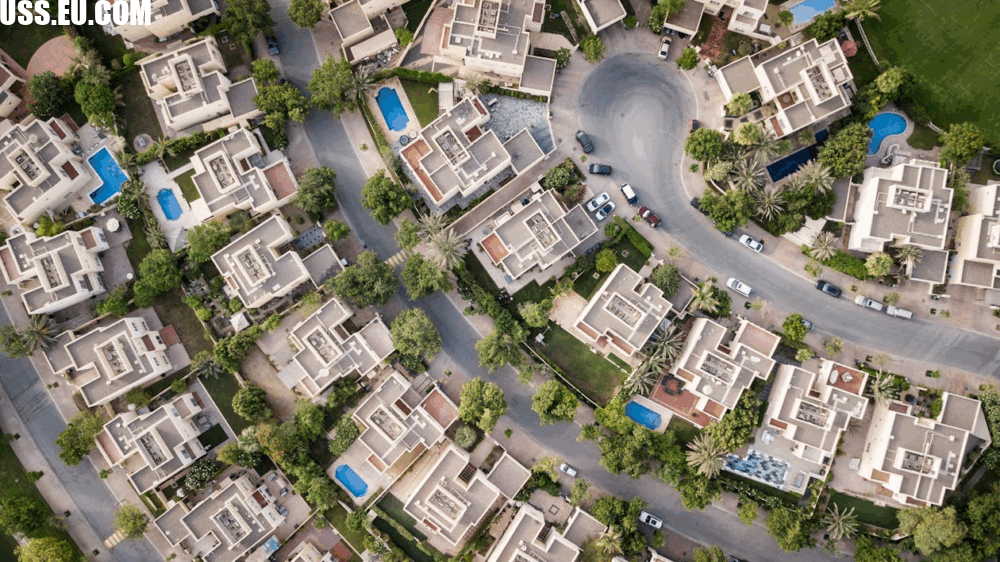
Remote work has also changed where people choose to live. The rise of hybrid and remote work models means more individuals can move away from expensive metropolitan centers to more affordable and spacious suburbs or regional towns. This decentralization has created new investment hotspots, especially in markets that offer strong infrastructure, good schools, and digital connectivity.
At the same time, aging populations across many developed countries are driving interest in retirement communities and assisted-living homes. This creates a dual market—urban lifestyle apartments for younger buyers and senior-friendly developments for older generations.
Investment Opportunities and Risks
Despite global uncertainties, real estate remains one of the most stable long-term investments. However, the market dynamics of 2025 require investors to diversify and stay informed. Traditional property investments now compete with newer models such as fractional ownership and real estate crowdfunding, both of which lower the financial barriers to entry.
Real estate investment trusts (REITs) continue to provide opportunities for individuals seeking exposure without managing physical properties. Meanwhile, short-term rental markets have matured, with regulations becoming clearer in major cities worldwide.
Nevertheless, investors must navigate economic volatility, fluctuating interest rates, and potential housing bubbles in overheated regions. Careful analysis, local market research, and a focus on asset diversification are crucial for mitigating risks and ensuring long-term stability.
The Rise of Smart Cities
Smart cities exemplify the integration of real estate with technology and sustainability. These urban ecosystems utilize advanced sensors, AI systems, and IoT (Internet of Things) networks to collect data and optimize resource use. Smart lighting, automated waste management, and connected transport systems are just a few examples of how technology supports efficient, sustainable living environments.
Real estate developers involved in smart city projects are focusing on creating communities that are not only physically connected but also digitally optimized. Homes in these areas offer residents seamless access to energy management controls, safety features, and smart maintenance systems—all integrated into mobile applications.
For investors and homeowners alike, properties located in or near emerging smart city zones are likely to see significant long-term appreciation.
Conclusion: Navigating the Real Estate Landscape
The 2025 real estate market reflects a balance of innovation, sustainability, and adaptability. Whether through IoT-enabled smart homes, low-carbon construction, or flexible living solutions, the industry is reshaping itself around changing human values and global priorities.
More info too visit uss.eu