Picture this: you’re deep into market research, pulling data from US-only sites like Amazon or Craigslist, but your IP keeps getting flagged as “foreign” or “suspicious.” Or maybe you’re testing ad campaigns targeted at American audiences, and everything grinds to a halt with endless CAPTCHAs. In 2026, with anti-bot tech smarter than ever, sticking to outdated tricks like USA proxy free lists or random proxy list USA grabs just doesn’t cut it anymore. Enter residential proxies—the game-changer that makes your connection look like a genuine home user from the States, blending speed, reliability, and stealth in ways free options or basic VPNs can’t touch.
For anyone serious about seamless USA access, Residential Proxies from StableProxy.com are worth a close look—they offer over 119,500 clean US IPs from real residential networks, starting at competitive rates with features like city-level targeting and sticky sessions that keep things running smooth.
What Makes Residential Proxies Stand Out in Practice
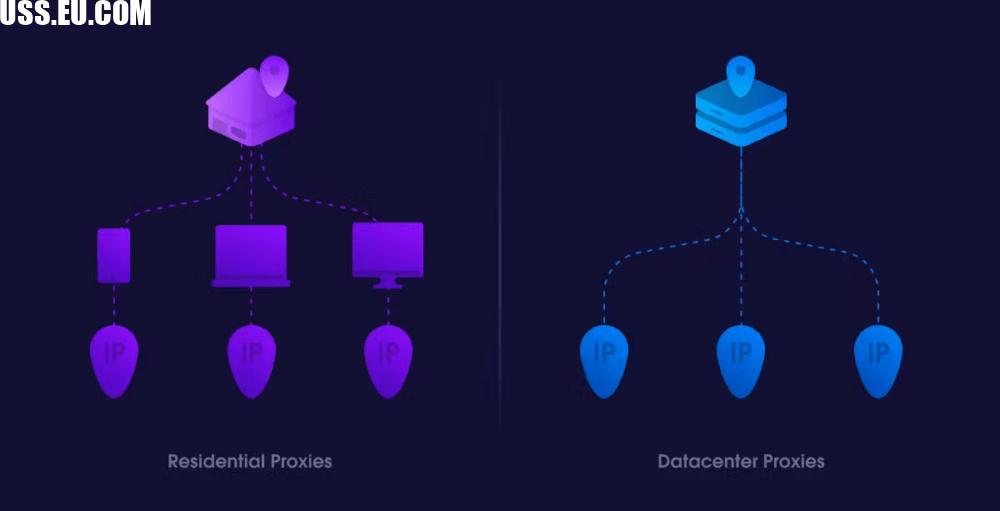
Unlike datacenter proxies (which scream “server” to detection systems) or freebies like US SOCKS5 proxy free that overload and drop constantly, residential proxies route your traffic through actual home internet connections. This means platforms see you as a regular Joe from Chicago or Miami, not some automated bot. In 2026, with AI-powered fraud detection on the rise, this authenticity slashes ban rates by up to 80% for tasks like web scraping, account management, or geo-testing.
Key perks include:
- Geo-Precision: Target specific US cities or states—perfect for local SEO checks, regional ad testing, or accessing state-locked content without the hassle of Proxy Server VPN alternatives that slow your whole device.
- Speed and Stability: Expect 100+ Mbps with low latency, thanks to real broadband sources. No more throttling like with fast USA proxy claims from shady lists that fizzle out after 10 minutes.
- Scalability: Handle high volumes without caps—unlimited threads on most plans, ideal for businesses pulling thousands of requests daily.
- Security Boost: Built-in encryption and IP rotation options keep your data private, far safer than free US proxy with username and password setups that often leak logs.
Compare this to hunting Proxy Server free on Google: those public pools are shared by thousands, leading to blacklisting and data risks. Residential? It’s like upgrading from a crowded bus to a private car—efficient and controlled.
Real-World Wins: How Businesses and Pros Use Them Daily
For e-commerce teams, residential proxies enable competitor price tracking on US sites without alerts—think monitoring Walmart or Best Buy deals in real-time. Digital marketers use them for USA proxy buy-level precision in A/B testing ads on Google or Facebook, ensuring they appear as US traffic to avoid skewed results.
Freelance developers love the flexibility: set up a Proxy Server online for testing apps in American regions, or automate data collection without hitting rate limits. Even casual users benefit—bypassing geo-blocks for US streaming or shopping while traveling, all without the bandwidth hog of a full VPN.
In numbers: StableProxy users report 95% uptime and session stickiness up to 120 minutes, which means fewer interruptions during critical workflows. If you’re comparing providers, factor in their 30M+ global pool (with heavy US focus)—it’s not just quantity; it’s vetted quality that dodges blacklists.
Free vs Paid: The Hard Facts on Why Upgrading Pays Off
Sure, USA proxy free sounds tempting—grab a proxy list USA from forums or tools like ProxyNova, punch in a free US proxy with username and password, and go. But in 2026, free proxies average 50-70% failure rates on strict sites due to overuse. Speeds? Often sub-10 Mbps with frequent drops.
Paid residential proxies flip that:
- Cost Breakdown: Entry plans at ~$3/GB for rotating residential traffic—scalable to enterprise tiers without breaking the bank.
- Risk Reduction: No shared abuse—your IP isn’t tainted by others’ bad behavior.
- Support Edge: 24/7 help via chat or tickets, unlike free options where you’re on your own.
If you’ve tried Proxy Server Google extensions or basic lists and hit walls, residential is the logical step up. It’s not about spending more; it’s about wasting less time on reconnections and bans.
Setup Made Simple: From Windows to iPhone and Beyond
Getting started is straightforward, no tech wizardry required. Here’s how to Proxy-Server einrichten on common devices:
- Proxy Server Windows: Use built-in settings—go to Network & Internet > Proxy > Manual setup. Enter the proxy address, port, and credentials from your provider. For app-specific, tools like Proxifier let you route only certain programs.
- Proxy Server iPhone: Head to Settings > Wi-Fi > tap your network > Configure Proxy > Manual. Input the Proxy-Server Adresse, port, and auth details. iOS handles it seamlessly for browsing or apps.
- Cross-Platform Tips: For browsers, extensions like FoxyProxy make switching IPs a click away. Advanced users? Integrate via SOCKS5 or HTTP protocols for tools like Scrapy or Selenium.
Pro advice: Always test with a small batch—StableProxy offers trials to verify speeds and compatibility before scaling.
Potential Drawbacks and How to Sidestep Them
No tool’s perfect. Residential proxies can cost more upfront than free alternatives, and in rare cases, IPs might rotate if a homeowner logs off. But with providers like StableProxy, you get guarantees: money-back periods, instant replacements, and dashboards for monitoring uptime.
To optimize:
- Start small—buy 5-10 GB to test your use case.
- Monitor usage—dashboards track data spend to avoid surprises.
- Combine with other tools—pair with VPNs for double-layer security if needed, but residential often stands alone.
Looking Ahead: Why Residential Proxies Are Future-Proof in 2026
With data privacy laws tightening (think updated CCPA) and bots getting savvier, residential proxies aren’t a luxury—they’re essential for ethical, efficient online ops. Providers are evolving too: expect more AI-optimized rotations and eco-friendly sourcing from green networks.
In summary, if you’re tired of unreliable USA proxy free hunts or sluggish Proxy Server VPN workarounds, residential proxies deliver the reliability and performance that actually moves the needle. They’re built for real work, from solo pros to teams, ensuring your USA-focused tasks run like clockwork. Dive in, and watch your productivity soar.

I welcome you to my article feed, I hope you liked my content and be sure to leave a comment or rating. Your feedback will be an impetus for me…