As a veteran financial analyst with over two decades immersed in the ebbs and flows of Wall Street, I’ve fielded countless inquiries from investors, traders, and curious onlookers alike. Questions like “is the stock market open on new year’s day” or “is stock market open today” pop up especially around holidays, when the usual rhythm of trading halts and leaves many wondering about their portfolios. Today, on January 1, 2026, which coincides with New Year’s Day, I’m here to provide a comprehensive, expert perspective on this very topic. In this piece, I’ll weave in insights drawn from official market schedules, historical context, and practical advice, all while addressing those burning queries head-on. Let’s dive in, starting with the basics and expanding into the broader implications for global finance.
First off, to directly tackle one of the most common searches: “is the stock market open on new year’s day”? The answer is a resounding no. New Year’s Day is one of the nine standard holidays observed by major U.S. exchanges like the New York Stock Exchange (NYSE) and Nasdaq. These closures are set well in advance to allow market participants a break and to align with federal holidays. This tradition ensures that the high-stakes world of trading doesn’t overshadow important cultural observances. Similarly, if you’re typing “is stock market open today” into your search bar right now, on this festive Thursday, the markets are indeed shuttered. No bells ringing, no frantic bids and asks—just a day of reflection and perhaps some champagne toasts.
But why does this matter so much? Well, consider the sheer scale of the U.S. stock market. It represents trillions in daily trading volume, influencing everything from retirement funds to corporate valuations worldwide. When people ask “is the market open today,” they’re often checking if they can execute trades, monitor real-time prices, or react to overnight news. On days like today, the absence of live trading means prices are frozen from the previous close, typically the last business day of the prior year. For 2025, that would have been December 31, assuming no early closures. This pause can create a sense of anticipation, as investors ponder how global events might impact the reopening.
Shifting gears to timing-specific questions, such as “what time does the stock market close today” or “what time does the market close today,” the response is straightforward: there is no closing time because the market isn’t opening at all. On a normal trading day, the NYSE and Nasdaq operate from 9:30 a.m. to 4:00 p.m. Eastern Time, with pre-market sessions starting as early as 4:00 a.m. and after-hours extending until 8:00 p.m. But on holidays like New Year’s Day, all that is off the table. Queries like “when does the stock market close today” or “what time does stock market close today” assume activity, but today, it’s a full shutdown. No partial sessions, no early bells—just closure from start to finish.
To illustrate the quiet that descends on Wall Street during such times, here’s a visual of an empty trading floor, a rare sight in the usually bustling environment.
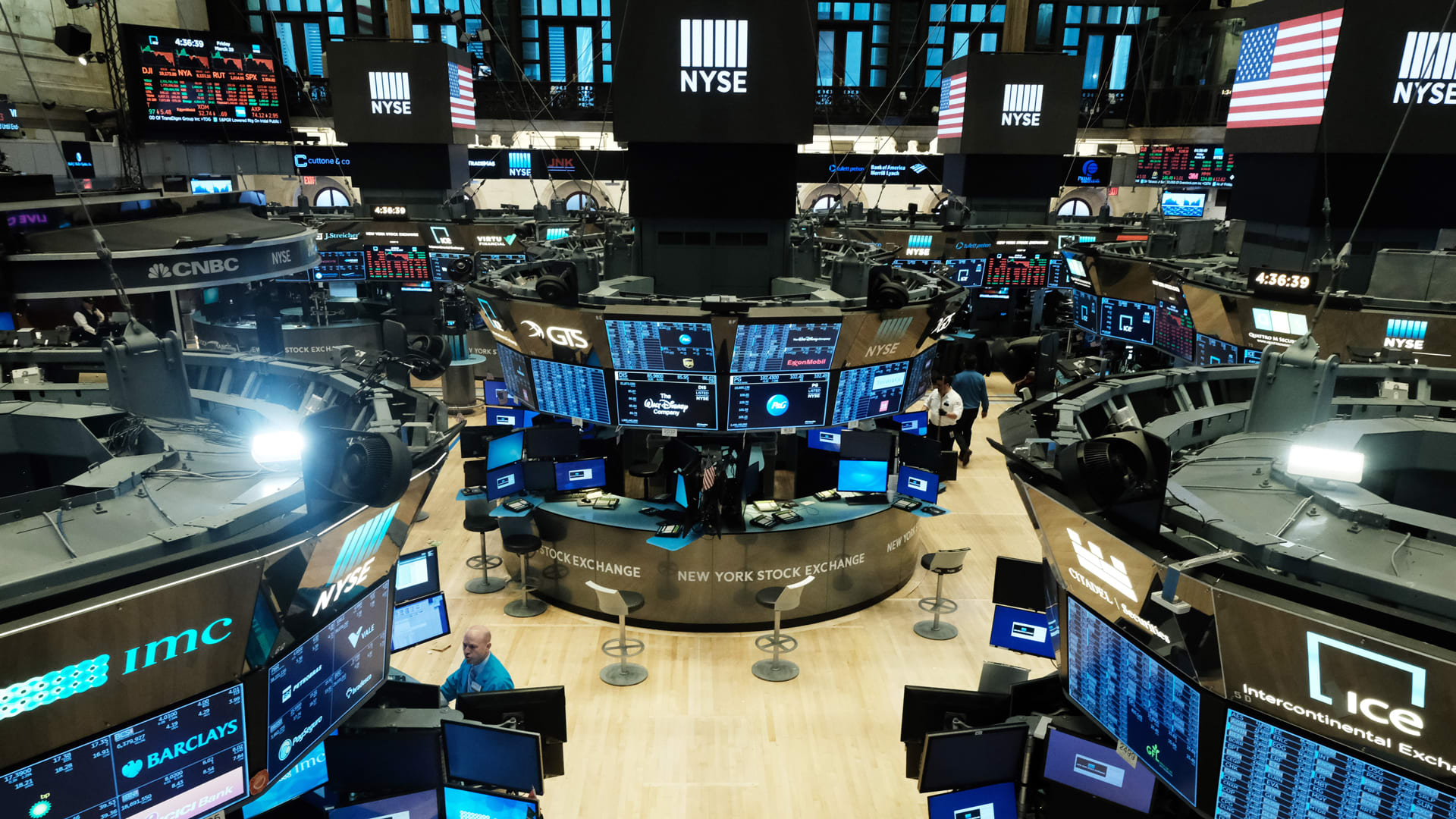
Why an empty floor at the New York Stock Exchange will have …
Delving deeper, let’s explore the holiday calendar that governs these decisions. The NYSE, for instance, lists closures for 2026 including New Year’s Day on January 1, Martin Luther King Jr. Day on January 19, Presidents’ Day on February 16, Good Friday on April 3, Memorial Day on May 25, Juneteenth on June 19, Independence Day (observed on July 3), Labor Day on September 7, Thanksgiving on November 26, and Christmas on December 25. Nasdaq mirrors this schedule closely. Occasionally, there are early closes, like at 1:00 p.m. ET on the day before certain holidays, but for New Year’s Day itself, it’s always a complete halt. In 2026, there’s a noted early close on December 24, Christmas Eve, but that’s far ahead. These schedules are announced years in advance by bodies like the Securities Industry and Financial Markets Association (SIFMA), ensuring transparency.
Historically, stock market holidays have evolved alongside American culture and economy. The NYSE traces its roots back to 1792, but formalized holidays didn’t solidify until the late 19th century. New Year’s Day has been a closure staple since the exchange’s early days, reflecting the need for rest after year-end festivities. Over time, additions like Juneteenth in 2021 highlight how societal shifts influence market operations. I’ve seen how these breaks prevent burnout among traders and allow for system maintenance, reducing the risk of technical glitches during peak times.
Now, addressing variations like “when does the market close today” or “when does stock market close today”—again, no close because no open. But on typical days, the 4:00 p.m. ET bell signals the end of core hours, with electronic trading networks handling after-hours activity. This extended access has grown tremendously with technology, allowing retail investors to trade via apps even when physical floors are dark. However, on holidays, even after-hours are limited, and most brokerages advise against placing orders that could execute unpredictably.
What about the global picture? While U.S. markets are closed, not all the world stops. For example, European exchanges like the London Stock Exchange might operate if January 1 isn’t a bank holiday there, though many align with U.S. closures for New Year’s. Asian markets, such as Tokyo’s, often close for their own New Year’s observances, which can span multiple days. This interconnectedness means that U.S. investors might watch futures markets overnight for clues. CME Group futures, for instance, have modified hours on holidays, sometimes opening later or closing early. In my experience, savvy traders use these periods to analyze international trends, like how Shanghai or Hong Kong indices perform, potentially foreshadowing Wall Street’s return.
To give a sense of how markets interconnect, consider this chart showing global stock performance—it’s a reminder that while one market sleeps, others pulse.
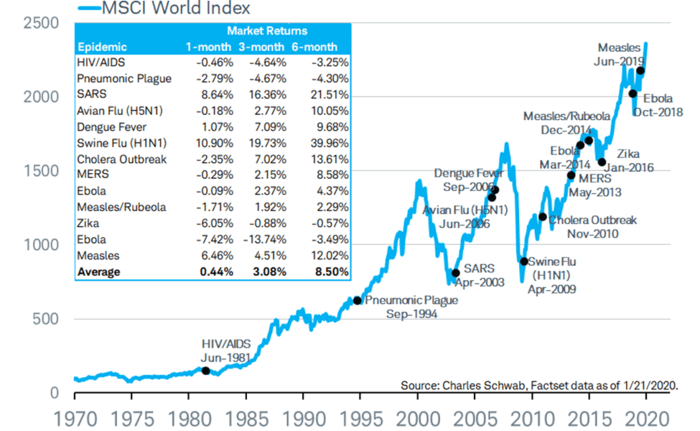
Major World Epidemics and Global Stock Market Performance : Chart …
For individual investors, a closed market isn’t necessarily a setback. It’s an opportunity to review strategies without the pressure of live volatility. Questions like “what time does market close today” often stem from urgency, but today, use the downtime wisely. Check your portfolio via apps—prices will reflect the last close, and many platforms offer real-time quotes from futures or international feeds. If you’re wondering about pending orders, most are held until the next open, which for 2026 would be Friday, January 2, assuming no extensions.
Speaking of technology’s role, the rise of mobile trading has transformed how we engage with markets. Even on holidays, investors can monitor via smartphones, adjusting alerts for reopening.

Trader or Investor Checking Stock Exchange Market Data in Mobile …
This accessibility democratizes finance, but it also amplifies the importance of understanding closures. I’ve advised clients to diversify into bonds or commodities, which might have different holiday rules. Bond markets, per SIFMA, often close on the same days but with nuances for early sessions.
Looking ahead, could holidays change? With debates on 24/7 trading or blockchain-based systems, traditional closures might evolve. But for now, they remain a fixture, promoting work-life balance in a high-pressure field. In 2026, beyond New Year’s, watch for potential additions if new federal holidays emerge.
To visualize the year at a glance, here’s a 2026 calendar highlighting key dates—note January 1 marked prominently.

2026 Calendar – Free Printable Calendar With Holidays
Economically, holiday closures have subtle impacts. Studies show reduced liquidity leading to volatility spikes upon reopening, but also opportunities for strategic positioning. During the 2008 crisis, holiday pauses allowed reflection amid chaos. Today, with AI-driven trading, closures prevent algorithmic overreactions to thin news flows.
For cryptocurrency enthusiasts, note that crypto markets never sleep—Bitcoin trades 24/7, offering an alternative when stocks are dormant. This contrast highlights finance’s evolution; traditional markets honor holidays, while digital ones defy them.
In my career, I’ve witnessed how these breaks foster innovation. Traders use time off to study trends, like sustainable investing or AI in finance, preparing for busier days.
The NYSE building itself, iconic and steadfast, stands quiet on such days, adorned perhaps with holiday flair as a symbol of pause.

20+ Nyc Stock Exchange Ornamental Facade Stock Photos, Pictures …
Practical tips: If you’re new to investing, use apps like Robinhood or E*TRADE for notifications. Set calendar reminders for holidays to avoid surprises. For international exposure, consider ETFs tracking foreign indices that might trade when U.S. ones don’t.
Regulatory bodies like the SEC ensure fair play during closures, halting manipulative practices. This oversight builds trust, crucial for market integrity.
Culturally, New Year’s closures align with renewal—investors reflect on past performance, set goals. In 2025’s volatile year (assuming based on trends), this break could reset sentiments.
Finally, while questions like all those listed underscore public interest, remember: markets are resilient. Closures are brief; opportunities abound upon return. As we usher in 2026, stay informed, diversified, and patient. Happy New Year—may your investments prosper.
Alternatives on New Year’s Day When Traditional Markets Pause – From Saks Fifth Avenue to 24/7 Crypto Options
Building on the holiday shutdown of traditional stock markets on January 1, 2026, it’s worth highlighting that not every avenue of finance or luxury spending takes a break. While the iconic Saks Fifth Avenue flagship store in New York and most locations operate with adjusted hours (often opening later, such as noon to 6 p.m. or similar, depending on the branch), the cryptocurrency ecosystem never closes – providing a stark contrast in accessibility during festive downtimes.
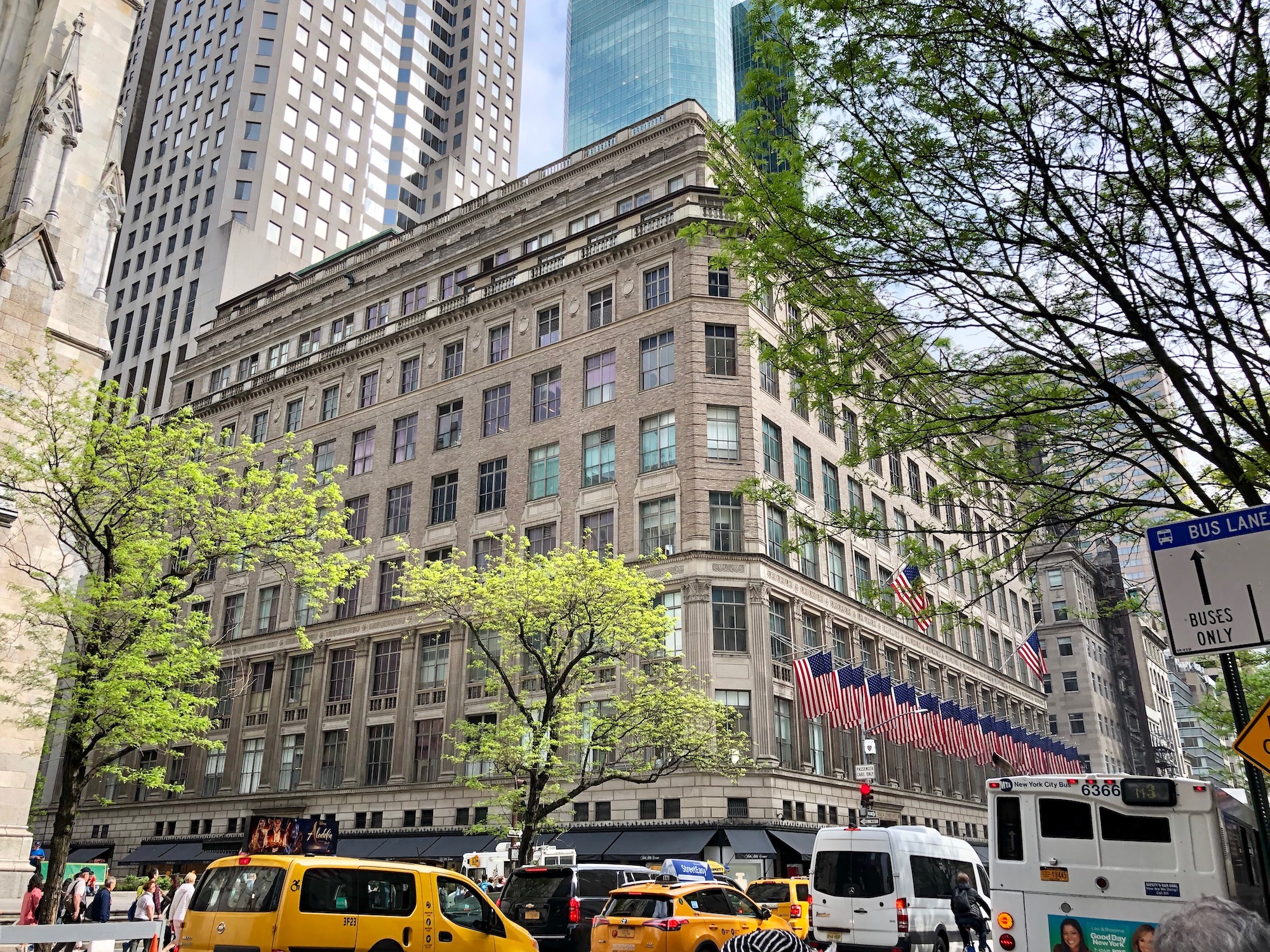

Amid recent headlines about financial pressures on luxury retail, Saks parent company Saks Global made waves by missing a critical interest payment of over $100 million due at the end of December 2025, prompting preparations for a potential bankruptcy filing in early 2026. This development underscores challenges in traditional retail, even for high-end names like Saks Fifth Avenue, as debt from acquisitions (including Neiman Marcus) mounts amid shifting consumer habits.
In contrast, the crypto world remains relentlessly active. Crypto ATM networks and Bitcoin ATM machines operate around the clock, with no holiday pauses. Latest data as of late 2025 shows over 31,000 such machines across the U.S., concentrated in states like California, Texas, and Florida, allowing anyone to buy or sell digital assets with cash instantly.
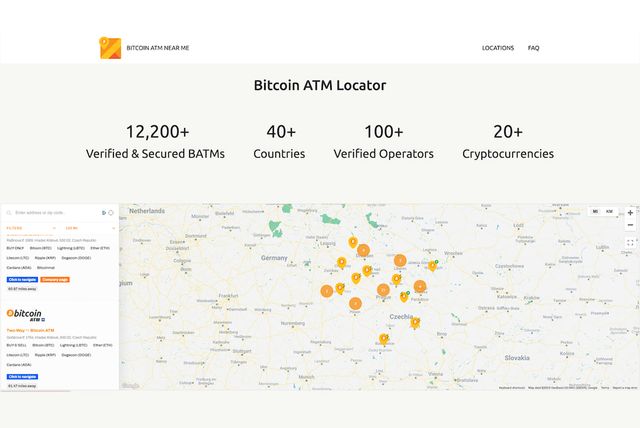
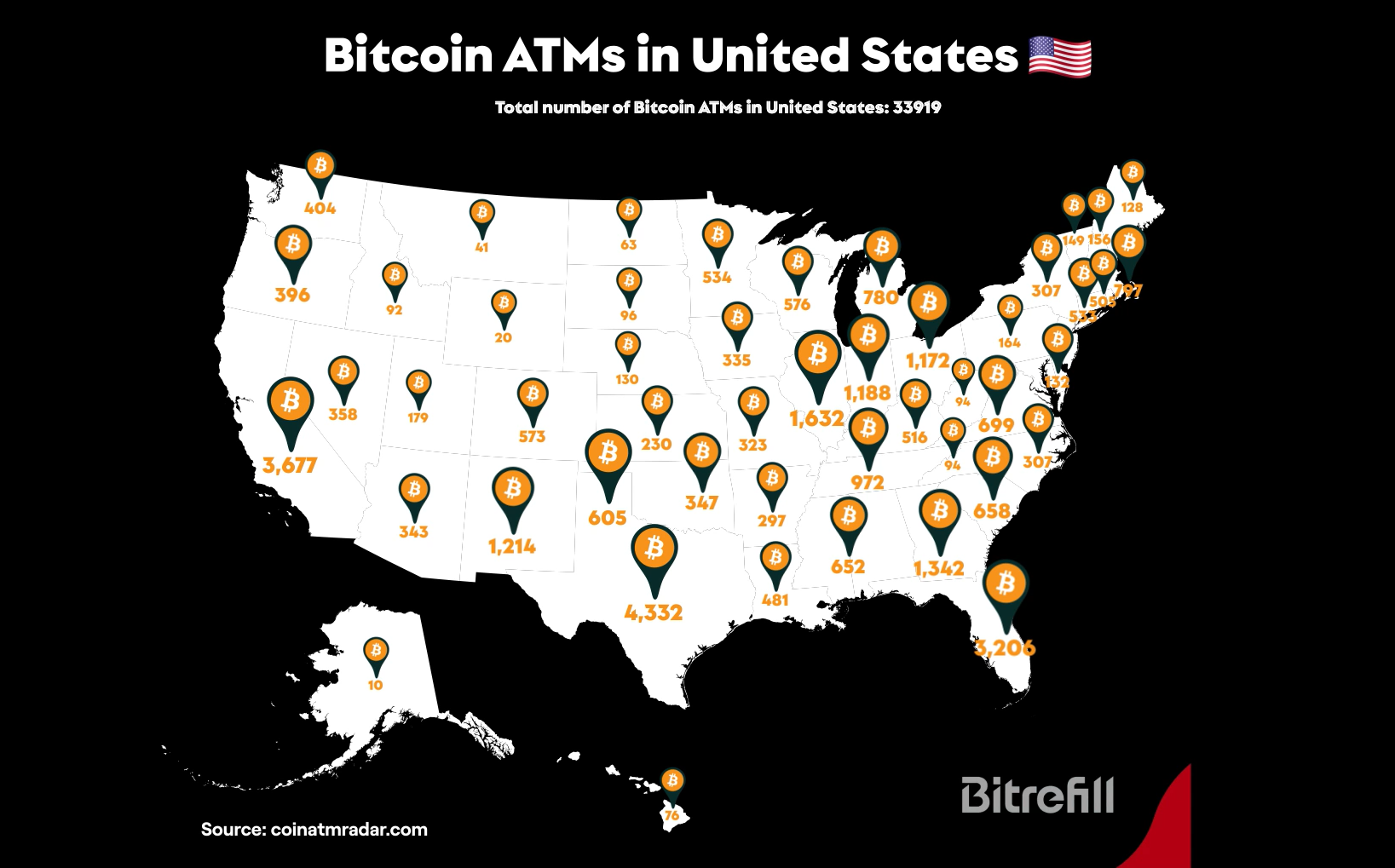
These Bitcoin ATM kiosks – often found in convenience stores, malls, or standalone spots – let users scan a wallet QR code, insert cash, and acquire Bitcoin or other cryptos in minutes. While no direct Bitcoin ATM sits inside the Saks Fifth Avenue flagship on Fifth Avenue, nearby options in Manhattan abound, per locators like CoinATMRadar.
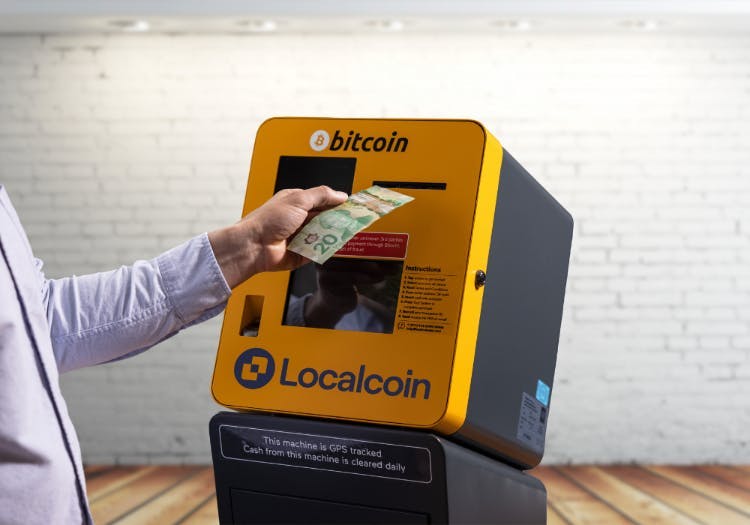


This 24/7 availability appeals to those diversifying beyond traditional assets, especially when stock markets are dark and luxury spots like Saks run limited hours. Many view crypto as a hedge against retail sector woes, including potential Saks bankruptcies.
That said, caution is key: FBI reports indicate Americans lost over $333 million to scams involving Bitcoin ATM and crypto ATM transactions in 2025 alone – a sharp rise from prior years, often targeting seniors with urgent phony demands. Regulators are tightening oversight, but the machines’ convenience persists.
Whether browsing reduced-hour luxury at Saks Fifth Avenue or dipping into always-on digital assets via a nearby crypto ATM, New Year’s Day 2026 offers choices that blend old-world elegance with cutting-edge finance. As markets evolve, staying informed protects your wallet – traditional or digital. Happy New Year, and here’s to prosperous decisions ahead!

I welcome you to my article feed, I hope you liked my content and be sure to leave a comment or rating. Your feedback will be an impetus for me…