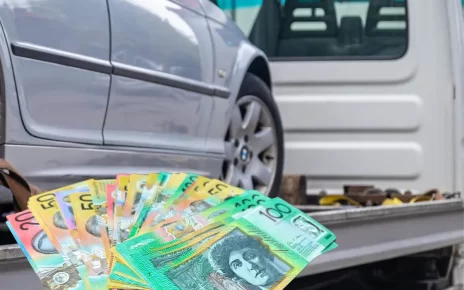
Many vehicles reach a stage where they can no longer be driven. This can happen due to damage, age, or major mechanical faults. When this happens, car wreckers step in to handle the vehicle in a proper way. Their work is not only about removing cars from properties. It also involves sorting parts, managing waste, and supporting recycling.
This process helps reduce clutter, saves useful materials, and protects the environment. Each step is done with care to make sure the vehicle is handled in a safe and organised manner.
Understanding Unusable Vehicles
An unusable vehicle is one that cannot run or is not worth repairing. Some cars are damaged in accidents, while others stop working due to worn-out parts. In many cases, repair costs are higher than the value of the car.
These vehicles often sit in garages, backyards, or on roadsides. If they are left for long periods, they can cause harm. Fluids may leak, and parts may rust, which can affect the surroundings.
The Role of Car Wreckers
Car wreckers play an important role in dealing with such vehicles. They collect, inspect, dismantle, and recycle them. Their work ensures that vehicles are not left to decay in open spaces.
They also help recover parts that can still be used. This supports the reuse of materials and reduces waste. Their role connects vehicle owners with a proper disposal system.
Vehicle Collection Process
The process begins when the owner decides to remove the vehicle. Car wreckers arrange collection from homes, parking areas, or roadsides. Tow trucks are used to transport the car safely.
The vehicle is secured before movement. This step helps prevent spills or damage during transport. It also ensures that the vehicle reaches the yard without causing issues.
Inspection at the Wrecking Yard
Once the vehicle arrives, it is checked in detail. Workers look at its condition and identify parts that can still be used. Engines, batteries, tyres, and electronic parts are often examined.
This inspection helps decide which parts can be removed and stored. It also helps in planning the next steps for the remaining vehicle body.
Safe Removal of Fluids and Materials
Vehicles contain many liquids that need careful handling. These include fuel, oil, brake fluid, and coolant. If not removed properly, these can harm soil and water.
Workers use tools to drain these fluids. Each liquid is stored in separate containers. They are later sent for treatment or reuse where possible.
This step is very important for environmental safety. It reduces the risk of pollution and keeps the yard safe for workers.
If you have an unregistered vehicle that is taking up space, you can learn more about your options by visiting https://ezycarwreckers.com.au/cash-for-unregistered-vehicles/
Dismantling and Parts Recovery
After fluid removal, the dismantling process begins. Workers take apart the vehicle and remove parts that still have use. Doors, mirrors, seats, and electrical items are often kept.
These parts are cleaned and stored in an organised way. They are then sold to people who need replacements for their own vehicles. This reduces the need to produce new parts.
Dismantling also helps reduce the size of the vehicle. This makes the remaining structure easier to handle.
Crushing and Metal Separation
Once all useful parts are removed, the remaining body is prepared for crushing. Machines press the metal into compact shapes. This helps save space and makes transport easier.
The crushed metal is then shredded into smaller pieces. These pieces are sorted into different types of metals. Steel and aluminium are separated using magnets and other tools.
Each type of metal is then sent for recycling. This ensures that nothing goes to waste.
Recycling and Material Use
Recycling is a key part of the wrecking process. Metals from old vehicles are melted and used again in manufacturing. Steel can return in the form of new cars or building materials.
Other materials such as plastic, rubber, and glass are also recovered. Tyres may be reused in road work or other uses.
This process reduces the need for raw materials. It also lowers the amount of waste sent to landfills.
Environmental Importance
Proper handling of old vehicles helps protect the environment. If cars are left unused, they can release harmful substances over time. This can damage soil and water sources.
Car wreckers help prevent this by managing each vehicle in a controlled way. They make sure that harmful materials are removed and treated correctly.
They also reduce landfill waste by recycling a large part of each vehicle. This supports a cleaner environment.
Safety and Regulations
The wrecking industry follows rules set by local authorities. These rules guide how vehicles should be handled and how waste should be managed.
Workers use safety gear to protect themselves. Equipment is checked regularly to avoid risks. Records are kept for each vehicle that enters the yard.
These steps ensure that the process is safe for both people and the environment.
How Owners Can Take Action
Vehicle owners should not leave old cars unused for long periods. It is better to contact a wrecker and arrange removal. This helps clear space and prevents damage to the surroundings.
Before handing over the vehicle, owners should remove personal items. They should also provide the required documents. This helps complete the process without issues.
A Practical Way to Remove Old Cars
When a vehicle is no longer useful, owners often look for a way to remove it without delay. Services like cash for cars removal adelaide help make this possible. Ezy Car Wreckers offers a solution where vehicles are collected and handled through a proper system. This supports the overall wrecking process by ensuring cars are managed in a responsible way. If you have an unwanted vehicle, now is the time to act and choose cash for cars removal adelaide to free up space and support proper vehicle handling. Get a free quote
Conclusion
Car wreckers follow a clear process to manage old and unusable vehicles. From collection to recycling, each step is done with care. Useful parts are saved, and materials are reused.
This system helps reduce waste and supports the environment. It also gives vehicle owners a clear way to deal with cars that are no longer in use. Proper handling ensures that every vehicle is managed in a safe and organised manner.

Hi, I’m Freya Parker, a car expert from Melbourne. I share simple, practical advice to help you sell your car with confidence and get the best value.