As a business journalist covering global markets, the U.S. military’s bold move to capture Venezuelan President Nicolás Maduro on January 3, 2026, feels like a seismic shift—not just geopolitically, but economically. With Venezuela sitting on the planet’s largest proven oil reserves (over 300 billion barrels), this intervention could reshape energy flows, trigger market volatility, and create clear winners and losers across sectors. Drawing from the latest market analyses and expert insights, let’s break down the ripple effects on the global economy, stock exchanges, individual stocks, cryptocurrencies, and oil prices. While short-term uncertainty looms, the long-term outlook leans toward disinflationary pressures that could boost growth—if stability holds.
Oil Markets: Short-Term Jitters, Long-Term Supply Boost
Venezuela’s oil sector has been crippled under Maduro, with production plummeting from 3 million barrels per day (bpd) in the early 2000s to under 700,000 bpd today due to sanctions, mismanagement, and lack of investment. The U.S. raid introduces immediate uncertainty: tankers have already rerouted, and some wells might shut down amid chaos. Analysts expect a modest initial spike in prices—Brent crude could rise $1-2 per barrel when trading resumes—but the global market is oversupplied by about 3.8 million bpd in 2026, muting any big rally.
Longer-term, if U.S. firms like Chevron step in to rebuild infrastructure (as Trump has signaled, pledging billions in investments), output could surge by 200,000 bpd in the first year alone. This bearish scenario would flood the market with heavy sour crude, potentially locking in lower prices below $60 a barrel and easing global energy costs. However, if Venezuela descends into Libya-style disarray, prolonged disruptions could provide mild bullish support.
Diesel prices might spike short-term due to heavy crude shortages, hiking transport costs and fueling inflation in diesel-reliant sectors like trucking and agriculture. Overall, this could act as a $45 trillion supply shock, curbing inflation worldwide.
Stock Markets and Equities: Volatility Ahead, But Potential Bullish Tailwinds
Global stocks kicked off 2026 strong, with Wall Street near records after double-digit 2025 gains, but this event injects fresh “geopolitical whiplash.” Expect a risk-off knee-jerk when markets reopen: safe-havens like gold and the U.S. dollar could rally, while equities dip amid uncertainty. U.S. indexes might see initial selling, rippling to Europe and Asia, especially if Latin American tensions escalate.
Sector-wise, energy stocks stand out. U.S. oil majors like Chevron (already operating there) could soar on access to cheap heavy crude, boosting Gulf Coast refiners’ margins. ExxonMobil and ConocoPhillips, with past asset claims, might follow suit, alongside service firms like Halliburton and Schlumberger for infrastructure rebuilds. Broader winners include diesel-dependent industries (logistics like FedEx, agriculture giants) if prices stabilize low. Latin American equities could benefit long-term from reduced regional instability.
Losers? Canadian heavy crude producers face pricing pressure from Venezuelan competition. High-cost shale players might struggle if prices tank, and Venezuelan bonds (in default since 2017) could surge for distressed debt hunters. If disinflation takes hold, lower rates could lift growth stocks and the S&P 500 overall.
Cryptocurrency: Brief Dips, But Emerging as a Geopolitical Hedge
Crypto markets felt the initial shock: Bitcoin (BTC) dipped below $90,000 around 2 a.m. ET on strike reports but recovered to $91,000+ by morning, up 1.7% in 24 hours. Altcoins followed suit, with thin holiday liquidity amplifying volatility. Analysts see no “widespread correction” ahead, as the event was somewhat anticipated.
Venezuela’s crypto angle is intriguing: Maduro used stablecoins like USDT for oil sales to bypass sanctions, amassing a “shadow reserve” possibly worth $60 billion in Bitcoin and other assets. If U.S. forces seize these (via private keys from captured officials), it could flood the market or set precedents for sanctions enforcement. Positively, BTC’s role as a “safe haven” in crises (Venezuela ranked 11th in adoption amid 229% inflation) might strengthen, drawing inflows if global risks rise. Long-term, cheaper oil could indirectly support crypto mining by cutting energy costs.
Winners and Losers: A Clear Divide Emerges
- Winners:
- U.S. Economy and Trump Administration: Political victory, energy security, lower inflation, and potential rate cuts fueling stocks. Gulf refiners (Valero, Marathon) and majors like Chevron gain big.
- Global Consumers and Importers: Cheaper oil eases costs for Europe, India, and emerging markets.
- Latin American Neighbors: Reduced migration, stability boosts economies like Colombia and Brazil.
- Crypto Holders (Potentially): If seen as a hedge, BTC could rally amid uncertainty.
- Losers:
- China and Russia: Beijing faces $19 billion in bad loans and lost oil supplies; Moscow loses a key ally and faces oil price pressure.
- High-Cost Oil Producers: Canada, Russia, and some OPEC members suffer from competition and lower prices.
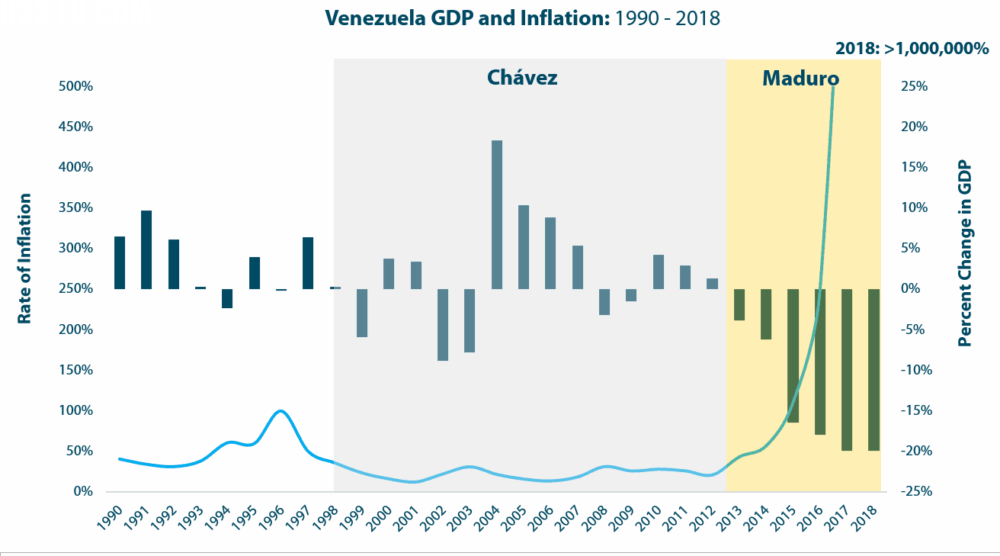
- Venezuelan Economy (Short-Term): Chaos could worsen hyperinflation and migration.
- Risk-Averse Investors: Initial volatility hits equities and crypto speculators.
In summary, this U.S. gambit could deliver a disinflationary boon to the global economy, taming energy costs and supporting equities if reconstruction succeeds. But risks of prolonged instability loom large, potentially spiking diesel and adding to 2026’s headline risks. Markets will watch Trump’s next moves closely—stability in Caracas could mean prosperity worldwide, but failure risks a messy unwind. What’s your bet on oil dipping below $50?

I welcome you to my article feed, I hope you liked my content and be sure to leave a comment or rating. Your feedback will be an impetus for me…