Food Safety Is Everyone’s Concern
Imagine a family sitting down for dinner. A warm meal on the table, fresh juice poured into glasses, maybe a loaf of bread from the supermarket.
Nobody at that table pauses to question whether the food is safe. They simply trust it is.
That quiet trust is what keeps the global food industry moving.
But behind the scenes, things look very different. Food manufacturers deal with complex production lines, raw materials arriving from different suppliers, storage facilities, transport logistics, and strict hygiene requirements. One weak point anywhere in that chain can create serious problems.
And that’s where ISO 22000 certification enters the conversation.
For food manufacturers, it isn’t simply a formal standard hanging on the wall. It’s a structured way to manage food safety risks, organize production processes, and reassure both regulators and customers that safety is never left to chance.
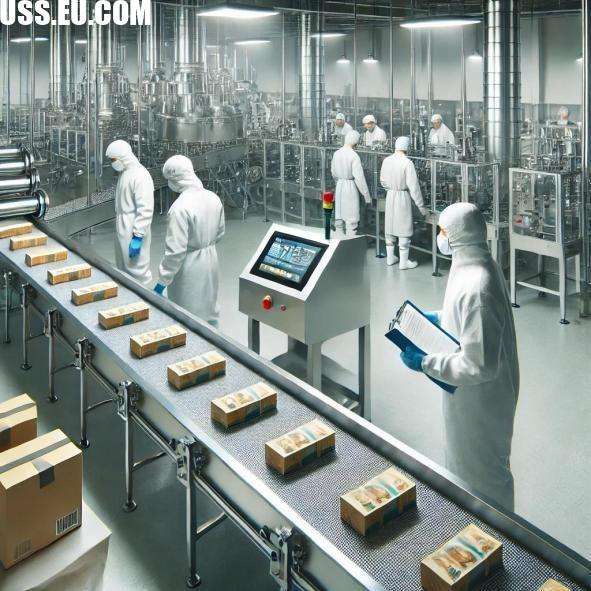
Understanding ISO 22000 Certification
Let’s start with the basics.
ISO 22000 certification is an international food safety management standard developed by the International Organization for Standardization. The goal is straightforward: ensure that food products remain safe throughout the entire supply chain.
But what makes ISO 22000 particularly valuable is the way it combines several food safety concepts into one framework. It integrates management system principles with HACCP (Hazard Analysis and Critical Control Points) and operational control programs.
For food manufacturers, this means every stage of production is carefully examined. Raw materials, processing, packaging, storage, and distribution all fall within the scope.
Instead of reacting to food safety incidents after they occur, ISO 22000 encourages organizations to anticipate potential hazards early.
It’s a bit like installing guardrails along a winding road before accidents happen.
Why Food Manufacturers Are Turning to ISO 22000
Food manufacturing has changed dramatically over the past two decades.
Supply chains stretch across continents. Ingredients often travel thousands of kilometers before reaching the production line. Consumers are more aware of food safety issues than ever before.
Add regulatory pressure and retailer requirements into the mix, and suddenly food manufacturers face a complex web of expectations.
ISO 22000 helps bring order to that complexity.
Many companies pursue the certification because major buyers—supermarkets, restaurant chains, or global distributors—expect their suppliers to follow recognized food safety systems.
But here’s the interesting part. Once the system is implemented, manufacturers often discover benefits they didn’t initially expect.
Operations become clearer. Documentation improves. Employees start understanding how their daily tasks connect to food safety.
The result? A more disciplined production environment.
The Hidden Risks Inside Food Production
Food manufacturing might look straightforward from the outside: ingredients go in, finished products come out.
Reality is far more complicated.
Consider just a few potential hazards inside a typical food production facility:
- Microbial contamination from raw ingredients
- Cross-contamination between processing areas
- Improper storage temperatures
- Equipment maintenance issues
- Chemical contamination from cleaning agents
And sometimes the risk isn’t obvious at all.
A slightly worn gasket in a processing machine. A supplier delivering inconsistent raw materials. A poorly trained worker rushing through sanitation procedures.
Small issues, perhaps—but small issues have triggered some of the largest food recalls in history.
ISO 22000 encourages companies to systematically analyze these risks. Instead of hoping problems don’t happen, organizations identify critical points where control measures must be maintained.
What ISO 22000 Changes Inside a Food Manufacturing Facility
When a food manufacturer begins implementing ISO 22000, the first noticeable change is perspective.
Production activities are no longer viewed solely through the lens of efficiency or output. They are evaluated through food safety.
Every stage gets examined.
- Receiving raw materials.
Cleaning equipment.
Maintaining storage areas.
Monitoring temperature during processing.
Even employee hygiene becomes part of the conversation.
For instance, a facility producing dairy products may introduce structured sanitation schedules, strict monitoring of pasteurization temperatures, and detailed supplier verification procedures.
Employees are trained not only on their job tasks but also on the food safety implications behind them.
And that shift in awareness matters.
When workers understand the “why” behind safety rules, compliance becomes far easier.
The Role of HACCP in ISO 22000
A major pillar within ISO 22000 is the HACCP methodology.
HACCP focuses on identifying hazards and controlling them at critical points in the production process. Rather than relying solely on final product inspection, the system prevents problems during manufacturing.
Food manufacturers apply HACCP by analyzing each stage of production and asking practical questions:
Where could contamination occur?
Which processes require strict monitoring?
What limits must be maintained for safety?
For example, a frozen food manufacturer might identify cooking temperatures as a critical control point. If the temperature falls below a certain threshold, harmful microorganisms may survive.
By continuously monitoring that point, the company ensures food safety remains under control.
HACCP has been used in food safety programs for decades, even by organizations like NASA during early space missions.
That historical connection often surprises people—but it highlights how essential preventive safety systems can be.
Real Business Benefits for Food Manufacturers
Some companies view certification standards as administrative burdens. Documentation, audits, procedures—lots of paperwork.
But that perception usually fades once the system starts working.
Food manufacturers often report several operational improvements after implementing ISO 22000:
• clearer communication between departments
• improved traceability of raw materials
• stronger supplier evaluation processes
• better employee awareness of hygiene practices
• reduced risk of costly product recalls
And then there’s reputation.
Retail chains, food distributors, and international buyers prefer working with manufacturers that follow globally recognized safety systems.
Certification becomes a signal. It tells partners that the company takes food safety seriously.
ISO 22000 and Global Market Access
Let’s talk about something that matters deeply to many food manufacturers—exports.
Entering international markets can be challenging. Different countries maintain strict food safety regulations, and importers want assurance that suppliers follow reliable safety systems.
ISO 22000 helps address those concerns.
Because the standard is internationally recognized, certification often simplifies supplier approval processes. Buyers already understand the framework and what it represents.
This doesn’t mean certification guarantees automatic market access. Regulations still vary from country to country.
But it certainly opens doors.
Many manufacturers find that certification improves credibility during negotiations with global retailers and distributors.
Implementation: What the Journey Looks Like
Achieving ISO 22000 certification is a structured process rather than a single event.
Food manufacturers usually begin by reviewing their existing operations and comparing them with ISO requirements. This stage—often called a gap analysis—reveals areas where improvements are needed.
From there, the organization develops its food safety management system.
The process generally includes:
- Establishing food safety policies and objectives
- Conducting hazard analysis across production processes
- Defining control measures and monitoring procedures
- Training employees on food safety responsibilities
- Performing internal audits
- Undergoing certification audits by an accredited body
It may sound complex, but most companies complete the process step by step over several months.
And once the system is established, maintaining it becomes part of routine operations.
Building a Culture of Food Safety
One of the most interesting outcomes of ISO 22000 implementation is cultural change.
Food safety stops being the responsibility of a single department. It becomes everyone’s concern.
Operators monitor processes more carefully. Quality teams analyze trends in production data. Management reviews safety performance regularly.
Even small daily actions—washing hands properly, maintaining clean equipment, checking storage temperatures—gain greater importance.
This shift creates a culture where safety becomes routine rather than reactive.
And cultures, once established, tend to sustain themselves.
Technology, Traceability, and Modern Food Safety
Food manufacturing is evolving rapidly, and technology plays an increasingly important role.
Many companies now rely on digital systems to track ingredients, monitor production data, and maintain traceability records.
Software platforms such as Safefood 360° or FoodLogiQ help manufacturers document safety procedures and manage compliance requirements more efficiently.
Sensors monitor temperature during storage and transportation. Automated alerts notify teams when conditions deviate from safe limits.
ISO 22000 doesn’t require specific technologies, but modern tools often make implementation smoother.
They reduce manual paperwork and provide real-time insights into production operations.
Is ISO 22000 Worth It for Food Manufacturers?
It’s a fair question.
Implementing a food safety management system requires effort. Policies must be written, employees trained, and audits completed.
Yet when viewed from a broader perspective, the investment makes sense.
Food safety incidents can damage brand reputation overnight. Product recalls lead to financial losses and regulatory scrutiny.
ISO 22000 helps prevent those situations by encouraging structured risk management.
And perhaps more importantly, it reinforces something every food manufacturer relies on: consumer trust.
A Commitment Consumers Rarely Notice
Walk through any grocery store aisle.
Rows of packaged foods fill the shelves—snacks, dairy products, frozen meals, beverages.
Most shoppers never think about the safety systems behind those products.
They don’t see hazard analysis reports or sanitation records. They don’t observe temperature monitoring systems or supplier audits.
And honestly, they shouldn’t have to.
Food manufacturers carry that responsibility.
ISO 22000 certification supports that commitment. It helps companies maintain safe production processes, manage risks effectively, and demonstrate accountability throughout the supply chain.
In a business built on trust, that quiet assurance might be the most valuable ingredient of all.